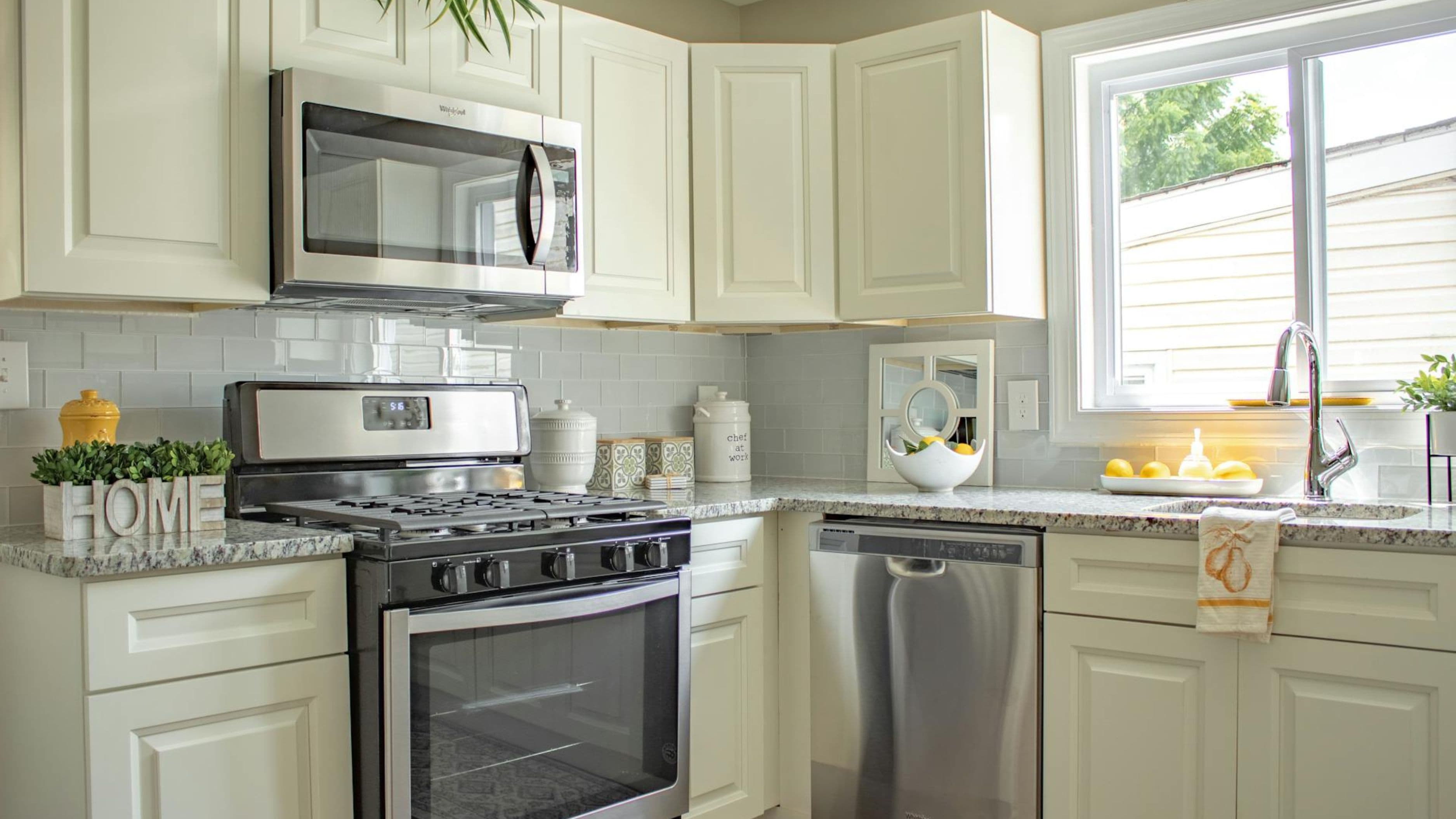

The good news is that shared living doesn't have to be a constant negotiation. With a few clear agreements and some small, consistent habits, you can create a home environment that genuinely works for everyone in it – one where people feel comfortable, respected, and not like they're walking on eggshells. This guide walks you through how to get there, one step at a time.
Step 1: Start With an Honest Conversation About Expectations
The root cause of most shared living friction is unexpressed expectations. Everyone brings a set of standards and assumptions into a shared home that they consider normal – and those standards are shaped by how they grew up, how they've lived before, and what they personally value. Your housemate might think dishes in the sink for a day is completely fine. You might find it deeply stressful. Neither of you is wrong, but if you've never talked about it, you're both operating from a script the other person hasn't seen.
The first step is a straightforward conversation – not a confrontation, just a practical discussion about how you each picture the shared space working. Cover the basics: cleaning expectations and frequency, kitchen habits, noise and sleep schedules, having guests over, how shared costs get split, and any non-negotiables for each person. Keep it matter-of-fact and curious rather than prescriptive. The goal isn't to convince the other person to adopt your standards – it's to find out where you overlap, where you differ, and where you can meet in the middle.
If this conversation feels awkward, that's completely normal. It gets easier once you've had it once. And having it once, imperfectly, is far better than never having it and letting small resentments accumulate over months.
Step 2: Create Clear, Simple House Agreements
Once you've talked, turn the key points into shared agreements – nothing complicated, just a basic understanding of how things work in your home. Think of it less like a formal contract and more like a shared reference point that everyone can point to when something comes up.
The most effective shared agreements cover cleaning schedules (who handles what, and how often), kitchen etiquette (labeling food, doing dishes within a reasonable timeframe, replacing shared supplies), noise and quiet hours (especially relevant if people have different work or sleep schedules), guest policies (how often, overnight guests, advance notice), and how shared expenses like bills and household supplies are handled. You don't need a document for all of this – a brief conversation that results in genuine mutual understanding is enough for most people. What matters is that the agreement is mutual, not just declared by one person.
Agreements also need to be revisited occasionally. What works when two people first move in together often needs adjustment after a few months when real-life patterns emerge. Building in a low-key check-in every couple of months – "is everything still working okay?" – is a simple habit that prevents small issues from becoming bigger ones.
Step 3: Create Personal Space Within Shared Space
One of the most overlooked contributors to shared living stress is not having enough sense of personal territory within the home. When every space in a home is equally shared, it can start to feel like you have nowhere to fully relax or be yourself without the implicit awareness of another person's presence. That feeling compounds over time, especially for people who recharge through solitude.
Even in small homes, there are usually ways to carve out zones that function as personal space. A dedicated desk or reading corner that's understood as someone's space, a shelf that's yours in the shared bathroom, a few hours during the week where you have the living room to yourself while your housemate is out – these small delineations make a significant difference in how comfortable people feel in a shared home. You don't need separate rooms for everyone to have a sense of their own space.
For couples or partners sharing a home, this applies just as much. Having space for yourself within a shared home is healthy and normal, and building that in intentionally – rather than discovering the need for it after you're already irritated – is much easier.
Step 4: Build a Shared Cleaning Routine That's Actually Sustainable
Cleaning is the most common source of conflict in shared living, and the reason is almost always asymmetry – one person feels they're doing more than their share, the other doesn't realize there's an imbalance, and the gap grows until someone says something or simmers indefinitely. Neither outcome is great.
The most sustainable approach is a simple rotation or clear task division that removes the ambiguity about who's responsible for what. Rather than operating on a "whoever notices it, does it" model – which reliably produces resentment for the person who notices more often – a clear system means each person knows their role without having to track or remind. Weekly chores on a simple rotation, shared responsibility for common areas, personal responsibility for individual spaces. It doesn't need to be elaborate; it just needs to be explicit.
Importantly, "clean" doesn't mean the same thing to everyone. Agreeing on a minimum standard for shared spaces – what counts as clean enough – is as useful as agreeing on who does what. If one person's baseline involves wiping down surfaces regularly and another's involves weekly deep cleans, that difference is worth discussing rather than assuming.
Step 5: Communicate About Problems Promptly and Directly
Even with the best agreements in place, things will occasionally go sideways. Someone will have a stressful week and let things slide, a guest will overstay, the dishes will sit for longer than agreed. How you handle those moments matters more than the moments themselves.
The most useful thing you can do when something bothers you is mention it soon and directly, while you're still relatively calm. Not with accusation, not with a long list of grievances, but simply and specifically: "Hey, I've noticed the dishes have been piling up for a few days – can we make sure we're back on our usual routine?" That's a much easier conversation to have than the one that happens after three weeks of quietly building resentment, where the dishes have become a symbol of something much bigger.
Direct doesn't mean blunt or unkind. It just means saying the actual thing rather than hinting at it, going passive-aggressive, or letting it fester. Most people respond well to clear, calm, specific feedback – especially when it's delivered without making them feel attacked or judged.
Step 6: Make Small Gestures of Consideration a Habit
Shared living goes smoothest not just when problems are avoided but when people actively make small efforts to consider the other person. These aren't grand gestures – they're tiny habits that signal awareness and care without requiring much effort.
Texting ahead if you're bringing someone home. Keeping noise down if your housemate has an early morning. Replacing the last of the shared coffee without being asked. Checking in if your housemate seems stressed. Leaving the bathroom in reasonable shape after your shower. None of these take more than a minute, and collectively they create an atmosphere in a home that feels cooperative rather than merely coexisting.
The 30-day angle here is genuine: picking one small considerateness habit and building it into your routine for a month – like always giving advance notice before having guests over – is enough to change the texture of a shared living situation noticeably. One habit, consistently applied, does more than a dozen one-off gestures.
Step 7: Know When to Revisit and Renegotiate
Shared living arrangements change over time. A housemate gets a new job with different hours. A partner starts working from home. A new person joins the household. Your own needs shift. The agreements that worked six months ago may not be the right fit today, and recognizing when a renegotiation is needed – before frustration builds up – is a practical skill.
Periodic check-ins make this less fraught. A simple "how's everything working for you?" every couple of months keeps the conversation open and makes adjustments feel like a normal part of shared life rather than a confrontation. It also signals to the people you live with that their experience matters to you, which builds the kind of goodwill that makes the difficult conversations easier when they do arise.
Common Mistakes to Avoid
Assuming the other person knows what you need without telling them is the single most consistent mistake in shared living. People are not mind-readers, and what seems obviously necessary to you genuinely may not be on someone else's radar. Expressing needs clearly and early prevents most of the friction that builds up from unspoken expectations.
Addressing everything through passive behavior – pointed silences, excessive sighing near the dishes, leaving a note rather than having a conversation – tends to make things worse rather than better. It creates an atmosphere of tension without providing any of the clarity needed to actually resolve the issue.
Letting small issues accumulate until they become big ones is another pattern that's easy to fall into but hard to recover from. A small irritation, addressed calmly when it's still small, takes two minutes. The same issue, left to build for weeks, takes a difficult conversation and may have already done real damage to the relationship.
Realistic Expectations
Shared living is genuinely hard sometimes, even when everyone involved is trying. You will not agree on everything, someone will occasionally fall short of the agreements, and there will be moments of friction. That's normal and expected, not a sign of failure. The goal isn't a perfectly frictionless household – it's one where people communicate well enough to navigate the inevitable moments of imperfect cohabitation without it becoming a source of ongoing stress.
Progress looks like fewer repeated conflicts, a general atmosphere of mutual respect, and a home where everyone feels comfortable enough to both speak up and relax. That's achievable with consistent small effort, and it's worth working toward.
FAQ
What if my housemate or partner isn't open to having these conversations? Start small and low-stakes. Rather than suggesting a formal household meeting, bring up one specific, practical topic in a relaxed moment – "Hey, how do you want to handle the shared groceries?" People who resist the idea of a conversation are often fine once they realize it's not a confrontation. If someone is consistently unwilling to discuss shared living arrangements at all, that itself is useful information about whether the living situation is sustainable.
What's the most important thing to agree on when first moving in together? Cleaning expectations and kitchen habits tend to cause the most friction in practice, so getting clarity on those early is genuinely useful. But the most important thing overall is establishing that you're both willing to communicate when something isn't working – that's the foundation that everything else rests on.
Is it normal for shared living to feel hard sometimes? Completely. Even the most compatible housemates and partners have periods where living together is frustrating. The question isn't whether it will ever feel hard but whether you have the tools to navigate those periods without them becoming chronic problems.
How do you handle it when one person is significantly messier than the other? A specific, agreed-upon standard for shared areas – with the messier person responsible for their personal space however they choose – tends to work better than either an all-or-nothing approach or constant nagging. Focus the agreement on shared spaces and let personal spaces be personal.
What if the situation genuinely isn't working despite genuine effort? Sometimes shared living arrangements simply don't work, regardless of how much good faith effort is applied. If you've communicated clearly, adjusted your approach, and the situation is still consistently difficult, it's okay to acknowledge that the living arrangement may need to change. That's not failure – it's making a practical decision based on real information.
📚 Sources
Psychology Today – Conflict Resolution in Shared Living: https://www.psychologytoday.com/us/basics/conflict-resolution
Greater Good Science Center – The Science of Effective Communication: https://greatergood.berkeley.edu/article/item/six_tips_for_talking_with_difficult_people
American Psychological Association – Building Healthy Relationships: https://www.apa.org/topics/relationships
Harvard Health Publishing – The Health Benefits of Strong Relationships: https://www.health.harvard.edu/newsletter_article/the-health-benefits-of-strong-relationships
Verywell Mind – How to Set Healthy Boundaries: https://www.verywellmind.com/how-to-set-healthy-boundaries-4802803