
What's Actually Happening
People who handle stress well aren't necessarily experiencing less stress, they're often just processing and responding to it differently. Research on stress resilience consistently points to a handful of factors that separate people who bounce back quickly from those who get stuck in prolonged stress responses, and most of these factors are habits and mindsets rather than fixed personality traits.
One of the biggest differences comes down to how someone interprets a stressful situation in the moment. People with stronger stress resilience tend to view a difficult situation as a challenge to work through rather than a threat to survive, which changes the body's physiological stress response in measurable ways, including how much cortisol gets released and how quickly the body returns to baseline afterward. This isn't about pretending stress doesn't exist, it's about how the brain frames the situation before reacting.
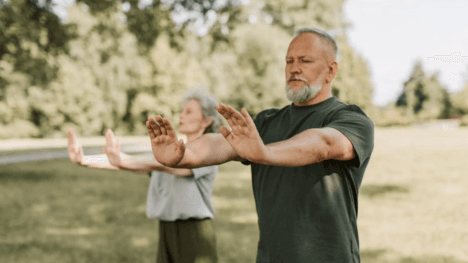
Another major factor is the presence of a reliable recovery routine. People who handle stress well typically have consistent habits, like regular sleep, physical movement, or social connection, that help their nervous system reset between stressful events. Without that recovery period, stress responses tend to stack on top of each other, making each new stressor feel more overwhelming than it would on its own.
Social support plays a bigger role than most people give it credit for as well. Having even one or two people you can be honest with during a hard stretch measurably reduces the physical and emotional toll of stress, partly because it interrupts the isolation that tends to make stress feel heavier and more permanent than it actually is.
What You Can Learn From This
The most useful takeaway here is that stress resilience is something you can build deliberately, through small, repeatable practices, rather than something you either inherited or didn't. This reframe alone tends to be relieving for people who've assumed their struggle with stress is just a fixed part of who they are.
It also means the goal isn't to eliminate stress from your life, which usually isn't realistic anyway, but to build the habits and mindset shifts that help you recover from it more efficiently. Small, consistent changes in how you think about and respond to stress tend to compound over time into a genuinely different relationship with it.
Action Steps
Practice reframing stress as a challenge, not just a threat. The next time you notice stress building, try consciously naming what's actually within your control in that moment, even something small, since this shifts your brain out of pure threat-response mode and into a more functional, problem-solving state.
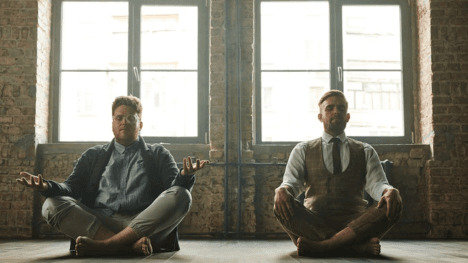
Build one consistent recovery habit into your day. This could be a short walk, ten minutes of quiet time without your phone, or a consistent bedtime, something that gives your nervous system a predictable chance to reset rather than staying in a constant low-level stress state.
Identify one person you can be honest with during hard moments. You don't need a large support network, just one or two people you trust enough to actually share what's going on rather than defaulting to "I'm fine." Reach out to that person this week, even with something small, to start strengthening that habit before you're in a high-stress moment and need it most.
Notice your stress patterns instead of just reacting to them. Spend a few days simply observing what situations tend to spike your stress and how your body responds, without trying to fix anything yet. This awareness alone often reduces the intensity of the reaction over time, since you start recognizing the pattern instead of being caught off guard by it.
Protect your sleep as a non-negotiable. Sleep deprivation significantly reduces your capacity to regulate stress, so even small improvements to sleep consistency tend to have an outsized impact on how manageable daily stress feels.
Realistic Expectations
These shifts don't happen overnight, and they're not meant to. Reframing how you think about stress and building consistent recovery habits typically takes weeks of repeated practice before it starts to feel more automatic, so expect a gradual shift in how stress feels rather than an immediate transformation.
It's also worth being realistic that some stressors are genuinely heavier than others, and no amount of mindset work or habit-building will make a major life stressor feel light. The goal here is building a stronger baseline capacity to handle stress generally, not eliminating the weight of difficult circumstances entirely.
Mistakes to Avoid
Trying to build every habit at once, like overhauling your sleep, exercise, and social connection simultaneously, often backfires and adds its own stress rather than reducing it. Pick one area to focus on first and let it become consistent before adding another.
It's also a mistake to judge yourself harshly for struggling with stress, since this kind of self-criticism tends to add an extra layer of stress on top of whatever you were already dealing with. Treating yourself with the same patience you'd offer a friend going through something hard tends to support resilience more than pushing yourself to "just handle it better."
Avoid isolating yourself when stress is high, even though withdrawing often feels like the easier option in the moment. Isolation tends to intensify stress over time, while even brief, honest connection with another person tends to ease it, even if it doesn't solve the underlying problem.
FAQ
Is stress resilience something you're just born with? Genetics play some role, but research consistently shows that habits like reframing stress, building recovery routines, and maintaining social support meaningfully shape how well someone handles stress, meaning it's largely learnable rather than fixed.
How long does it take to actually feel more resilient to stress? Most people notice gradual improvement over several weeks of consistent practice with reframing and recovery habits, though this varies based on your starting point and the intensity of stressors you're dealing with.
What if my stress feels too overwhelming to apply these steps? If stress feels persistently overwhelming or is affecting your ability to function day to day, it's worth talking to a therapist or doctor, since ongoing, intense stress sometimes needs more support than self-guided strategies alone can offer.
Does exercise really help with stress resilience? Yes – regular physical activity is one of the most well-supported habits for improving stress recovery, partly because it directly helps regulate the body's stress hormone response over time.
Handling stress well isn't a personality trait reserved for a lucky few, it's a set of habits and mental patterns you can build gradually, one small, consistent choice at a time. Start with a single shift this week, give it time to take hold, and let your resilience grow from there.
📚 Sources
American Psychological Association – Building Your Resilience - https://www.apa.org/topics/resilience/building-your-resilience
Harvard Health Publishing – Understanding the Stress Response - https://www.health.harvard.edu/staying-healthy/understanding-the-stress-response